E-commerce Marketing
Discover 6 key signals from Shoptalk 2026. From AI personalization to unified CRM stacks, learn how global eCommerce brands are shaping the next phase of marketing.
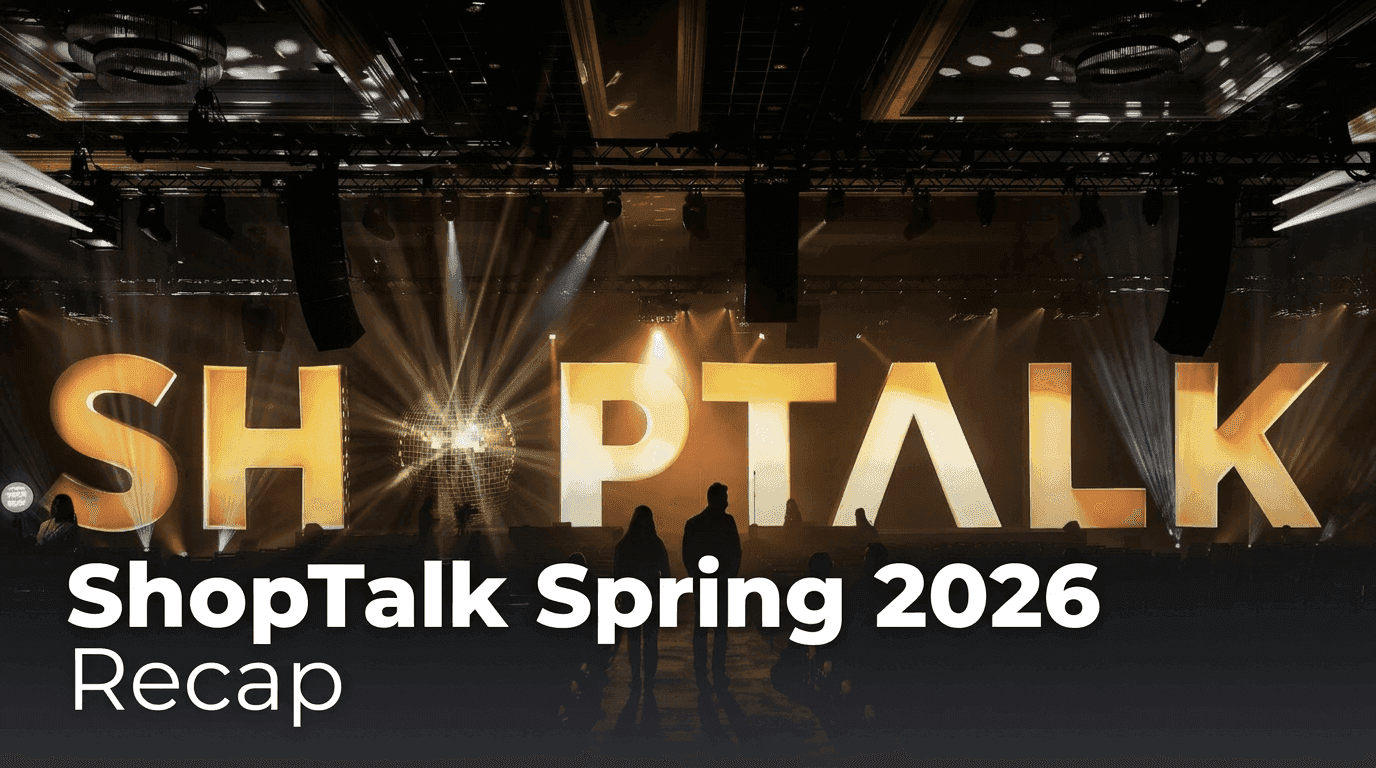
Shoptalk Spring in Las Vegas once again brought together thousands of retailers, brands, and technology providers to discuss the future of commerce.
Across three days of conversations with eCommerce teams—from fast-growing DTC brands to large global retailers—a few consistent themes emerged.
Interestingly, despite the industry’s constant focus on new technologies and emerging channels, many of the challenges brands are facing today remain surprisingly fundamental.
Here are the key signals we observed at Shoptalk this year.
1. The Demand for a True “Single Platform” Is Growing
One of the most common requests we heard from marketers was simple: bring everything together.
Many teams today operate across a fragmented stack—separate tools for CRM, analytics, personalization, and campaign execution. While each platform solves a specific problem, the result is often customer data scattered across multiple systems.
As a result, marketers struggle to move from insight to action quickly.
More brands are now looking for platforms where:
Customer data lives in one place
Insights are immediately actionable
Campaigns can be executed seamlessly across channels
In other words, the conversation is shifting from more tools to more unified systems.
2. Pricing Models Are Becoming a Hidden Scaling Tax
Another recurring frustration we heard from brands involves pricing models tied to total profile lists.
Many legacy lifecycle marketing platforms charge based on the total number of contacts stored in the system. As brands grow their subscriber base, their subscription costs grow as well—even when a large percentage of those contacts are inactive.
For fast-growing eCommerce brands, this creates an unexpected challenge:
Growth in audience size often leads to rapidly increasing software costs, regardless of whether those users are actively engaging.
As a result, pricing models themselves are becoming an important part of the conversation when brands evaluate their marketing technology stack.
3. Email Still Remains the Backbone of Lifecycle Marketing
Despite the rise of new channels—from social commerce to messaging apps—email continues to be the most reliable lifecycle channel for many brands.
Across conversations at Shoptalk, teams consistently pointed to email as delivering:
The strongest deliverability
High conversion performance
The most consistent ROI
While brands are actively exploring additional channels, email remains the core communication layer for lifecycle marketing strategies.
The real opportunity now lies in making email smarter—using behavioral signals and predictive insights to send more relevant messages at the right moment.
4. Many Insights Are Still Surprisingly Manual
Another interesting observation: while brands have access to more data than ever, turning that data into clear next actions remains difficult.
Many teams still rely on:
Manual dashboards
Spreadsheet analysis
Internal discussions to interpret results
The challenge isn’t whether companies have data anymore—it’s how quickly they can translate that data into decisions.
This gap between insight and action continues to be one of the biggest operational bottlenecks in modern marketing teams.
5. AI Is Everywhere — But Personalization Is the Real Focus
AI was, unsurprisingly, the dominant keyword across nearly every conversation at Shoptalk.
However, what brands are actually prioritizing beneath the AI conversation is personalization.
Across services, campaigns, and customer experiences, companies are investing heavily in making interactions more tailored and relevant—from incorporating customer preferences into communications to building more customized customer journeys.
Interestingly, this trend extended beyond marketing itself.
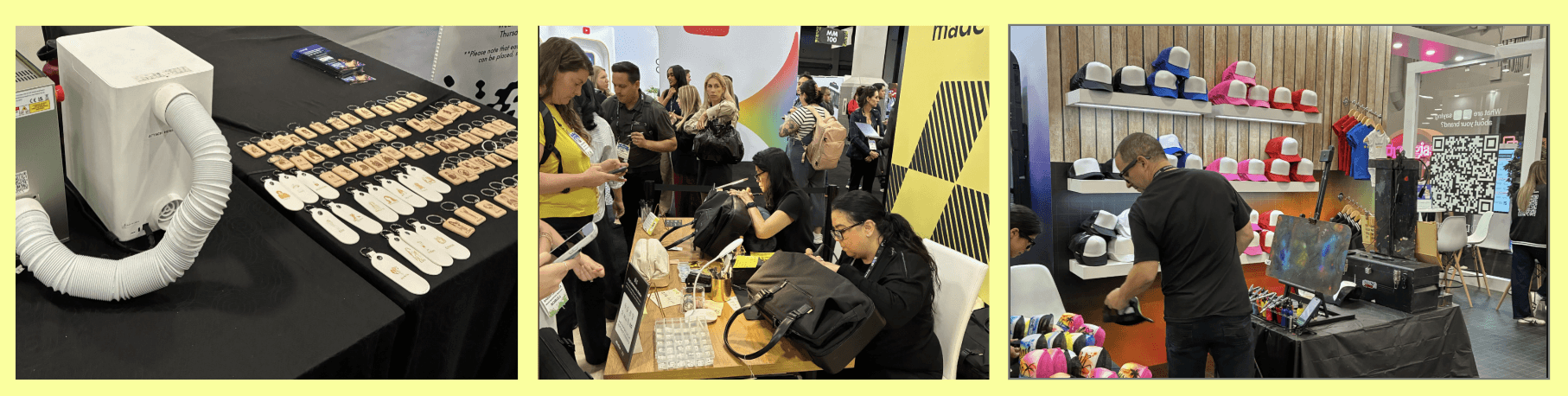
Even booth merchandise and giveaways at the conference were often customized for specific brands or individuals, reinforcing how deeply personalization is becoming embedded in the broader commerce ecosystem.
6. Preparing for the Era of AI-Driven Commerce
Finally, a forward-looking theme began to surface toward the end of many conversations: how AI will reshape product discovery and purchasing behavior.
As conversational AI and agent-based shopping experiences continue to evolve, brands are beginning to ask new questions:
How will customers discover products when AI assistants recommend them?
What role will predictive insights play in anticipating customer needs?
How should brands prepare their data infrastructure for this shift?
While these changes are still unfolding, one thing is clear: the next phase of commerce will require moving from reactive marketing to forward-looking, predictive strategies.
Final Thoughts
As these signals from Shoptalk 2026 make clear, the next phase of eCommerce isn't just about having more data—it’s about what you can actually do with it.
Datarize was built specifically to solve the manual bottlenecks and fragmented stacks discussed in Las Vegas this year. We provide an AI-powered CRM and All-in-One Lifecycle Marketing platform that simplifies the journey from data to revenue.
Unified Intelligence: We consolidate your customer data, analytics, and execution into a single "Single Platform" that eliminates data silos.
Predictive Personalization: Instead of manual spreadsheet analysis, our AI automatically identifies churn risks and identifies the "Next Best Action" for every customer in real-time.
Fair Scaling: We believe your growth shouldn't be penalized. Our MAU-based pricing ensures you only pay for the customers you actually engage, removing the "hidden scaling tax" of legacy providers.
Built for Global Brands: Whether you are a fast-growing DTC brand or a global retailer, Datarize automates the complex logic of retention so your team can focus on what matters most: your brand story.
Ready to move from reactive marketing to a predictive growth engine? Start your free trial to see how Datarize is shaping the future of eCommerce marketing.