E-commerce Marketing
Key insights from NRF 2026 on how AI, CRM, and marketing operations are evolving—and what eCommerce teams need to scale efficiently in today’s environment.

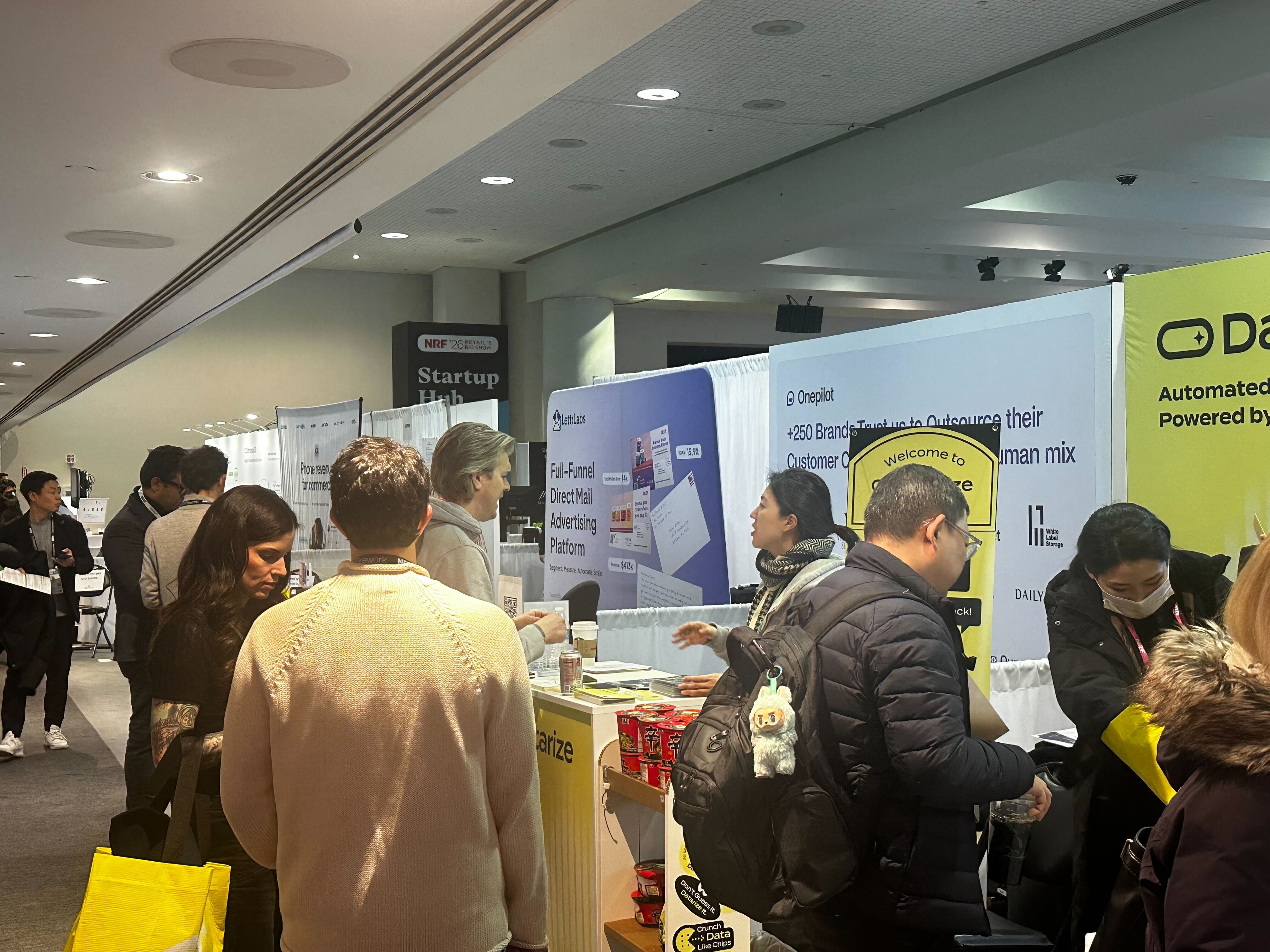
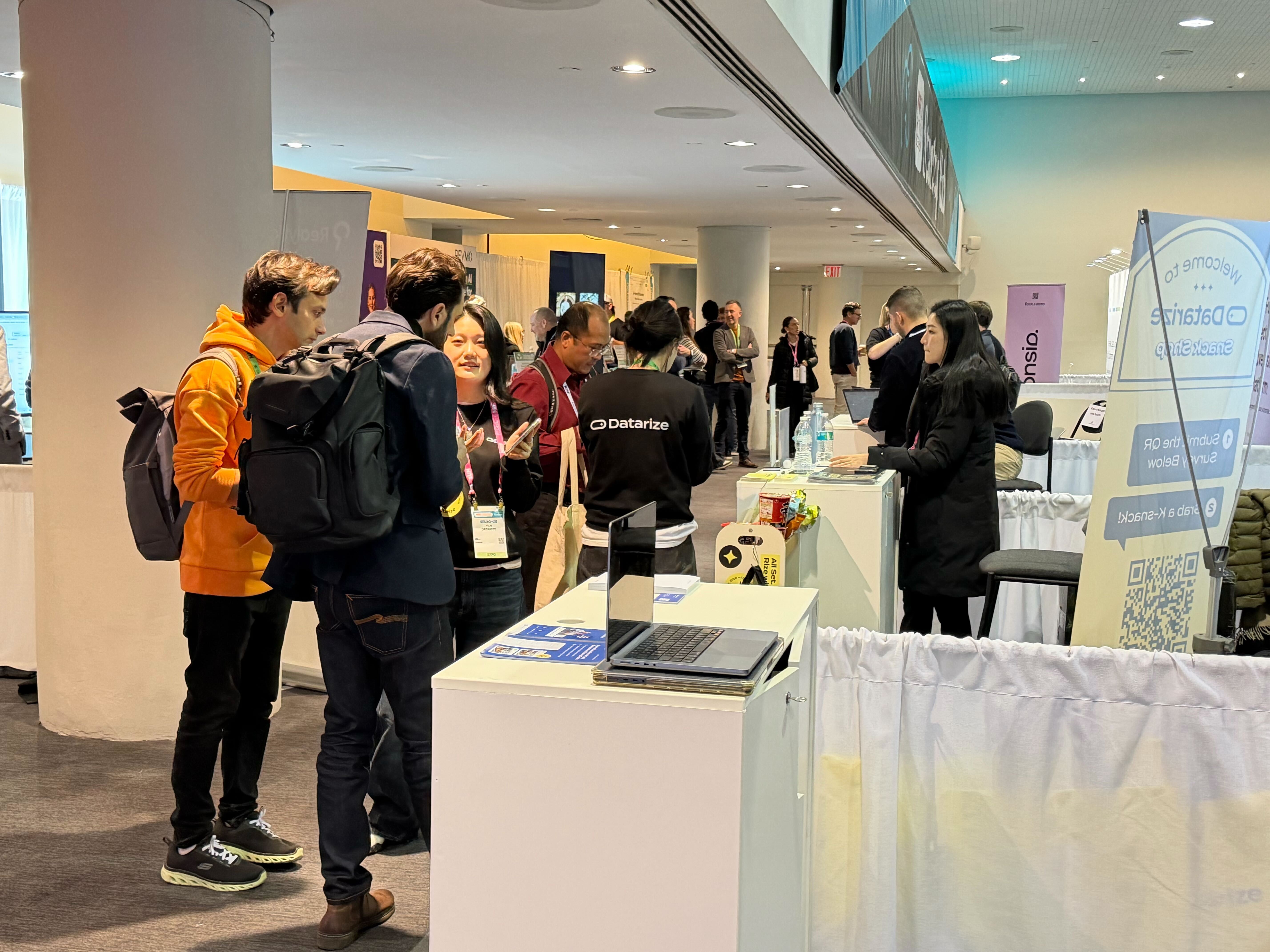
NRF 2026 wrapped up after three full days of conversations with eCommerce and retail leaders from around the world. Beyond the buzzwords and demos, the most valuable insights came from how brands described their day-to-day operating reality—and the gaps they’re actively trying to close.
Across hundreds of conversations at the show, six clear signals emerged that point to how CRM, marketing operations, and eCommerce growth are evolving.
1. AI Is No Longer About Capability. It’s About Leverage.
AI was the dominant keyword across NRF—but the tone of the conversation has clearly changed.
Brands are no longer impressed by what AI can do in theory. Instead, they’re asking more pragmatic questions:
Does this reduce manual work?
Does it help lean teams move faster?
Does it make decisions clearer, not more complex?
The expectation has shifted toward AI that delivers practical leverage—AI that sits inside execution, turning customer signals into prioritized next steps rather than more data to interpret.
AI is no longer a future bet. It’s being evaluated on how directly it improves day-to-day operations.
2. CRM Is Becoming the System That Holds Everything Together
Another clear signal from the show floor: CRM is no longer viewed as a downstream campaign tool.
Many brands—especially those that started offline and expanded into digital—now operate across POS systems, eCommerce platforms, loyalty programs, and multiple marketing tools. As digital touchpoints grow, customer data becomes fragmented quickly.
As a result, CRM is increasingly expected to act as the system that holds everything together—unifying fragmented data, identifying meaningful behavioral signals, and enabling personalization earlier in the customer journey.
Brands aren’t asking for more dashboards. They’re looking for CRM platforms that can translate complexity into clear, actionable outcomes.
3. Klaviyo Is Ubiquitous—but Increasingly a Bottleneck
Klaviyo came up in a significant majority of CRM conversations at NRF. It’s widely adopted, widely trusted—and increasingly questioned.
Across brands, we heard a consistent set of challenges:
Rising costs as databases grow
Operational complexity that requires dedicated specialists
Difficulty scaling beyond basic lifecycle messaging without heavy investment
For many teams, the issue isn’t feature depth. It’s that powerful tools assume powerful teams. As cost pressure rises, brands are re-evaluating whether their CRM stack actually helps them scale efficiently—or whether it has become an operational bottleneck.
4. SMB and Mid-Market Brands Are Being Asked to Operate Like Enterprises
Another recurring theme was the growing mismatch between tooling and operational reality.
Many CRM and marketing solutions still assume enterprise conditions—large budgets, specialized roles, and long implementation cycles. Yet many SMB and mid-market brands told us they’re expected to run the same stacks with far fewer resources.
The result is friction. Growth tools feel heavy, slow to implement, and disconnected from daily execution.
As brands are asked to do more with less, this mismatch is becoming harder to ignore. There’s growing demand for CRM marketing platforms that respect real-world constraints, not just theoretical scale.
5. Global Expansion Is Back—but Local Understanding Matters More Than Ever
By the final day of NRF, conversations increasingly turned to international growth—particularly expansion into APAC.
Many U.S. and European brands are now seriously exploring entry into markets like Korea and broader APAC, driven in part by the continued rise of K-culture and growing consumer demand across the region.
What stood out was a growing recognition that expansion isn’t just about translation. Brands are looking for partners who understand local customer behavior, market-specific ecosystems, and how CRM execution must adapt to regional maturity.
Global ambition is back—but success will depend on local context, not one-size-fits-all playbooks.
6. Not Too Complex, Not Too Narrow — “Just-Enough” Solutions Are Rising
Beyond pricing pressure and team constraints, another pattern became clear: the problem isn’t just what tools can do—it’s how many tools teams are forced to manage.
Products with too many features overwhelm teams and slow execution.
At the same time, overly specialized point tools increase the burden of stitching systems together—driving up integration complexity and operational overhead.
What teams are actually looking for sits in the middle.
They want solutions that:
Focus on core features that matter most
Cover key workflows end to end, without trying to do everything
Require minimal integrations, so teams don’t spend time stitching tools together
Fit naturally into how small, lean teams already operate
The products gaining traction are “just-enough” solutions—powerful where it counts, simple where it matters, and easy to run day to day.
What These Insights Mean for Datarize
The conversations at NRF pointed to a clear shift in how eCommerce teams evaluate CRM platforms.
As customer data becomes more fragmented and teams remain lean, value is no longer defined by how many features a system offers. Instead, it’s defined by how clearly a platform helps teams understand their customers—and how simply it fits into their day-to-day operations.
Across brands, a consistent set of needs is emerging:
A CRM foundation that brings scattered customer data into a single, coherent view
Intelligence that helps teams focus on what matters, rather than overwhelming them with options
Coverage of the core CRM marketing workflows, without forcing teams to rely on multiple point tools
Minimal integration and operational overhead, so the system remains manageable as the business scales
Datarize is designed around these principles—helping eCommerce teams turn customer data into revenue-driving actions without complex setup or heavy operational overhead.
NRF made one thing clear: the future of CRM marketing isn’t about doing everything.
It’s about doing the right things, well—and enabling teams to execute with confidence.

관련 글 더 보기
あわせて読みたいコンテンツ




最新のECトレンドやお役立ち情報をお届けします。